Future war looms: Israel approves offensive plans against Lebanon


By Samir Muradov
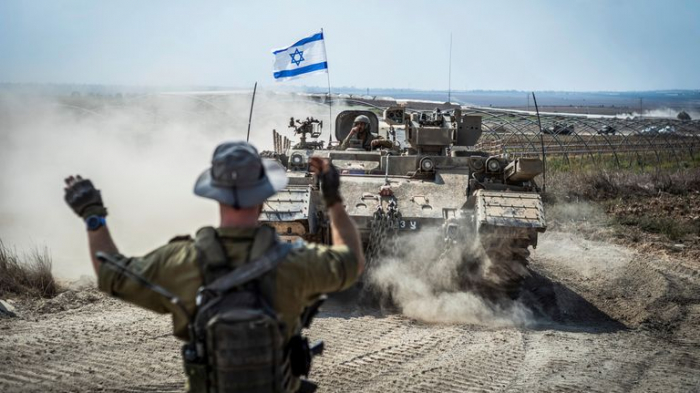
The Israeli military command has approved operational plans for offensive actions in Lebanon, marking a significant step in the strategy to ensure security on the country's northern borders. This decision, announced by the Israeli army's press service, reflects efforts to stabilize the region amidst deteriorating conditions.
An operations meeting held at the Northern Command headquarters brought together the country's leading military strategists. The military command leaders, including Major General Ori Gordin and Major General Oded Basyuk, conducted a detailed analysis of the situation on the border with Lebanon. During the meeting, the offensive plans were approved, confirming Israel's determination to act decisively in response to increasing threats.Tensions on the border have been escalating since October 2023, leading to a mass evacuation of the population. More than 60,000 Israelis were forced to leave their homes, creating serious challenges for the country's internal resources. According to international organizations, the refugee situation remains one of the most acute humanitarian problems in the region.
In response to the strengthening of Hezbollah, the Israeli command has taken measures to increase the combat readiness of its troops. Hezbollah's strikes have become more long-range and powerful due to the use of Burkan missiles, developed on the basis of Iranian technologies. This weapon has significantly increased the group's potential in the military confrontation with Israel.
The situation is complicated by the environmental consequences of military actions. Forest fires caused by shelling and high temperatures have led to the destruction of natural resources, further exacerbating the humanitarian situation in the region. Israeli fire services face extraordinary challenges in fighting the fires, requiring many hours of effort.
The approval of new operational plans highlights Israel's strategic focus on maintaining a high level of defense capability amid uncertainty. These measures, as noted in statements by the military leadership, aim to protect national security and ensure stability in the region, which plays a key role in the Middle East' s military-political balance.
The reaction from Lebanon to the Israeli plans was swift. Lebanese authorities and various political and military groups expressed serious concern over the latest developments in the Israeli military doctrine. Hezbollah, in particular, sees these actions as a direct threat to its influence in the region.
An important aspect of the current situation is Israel's interaction with international partners. Western countries, especially the United States, continue to provide Israel with political and military support. At the same time, some European countries and organizations, such as the European Union, are calling for restraint and a diplomatic solution to the emerging conflicts.
For the Middle East region, finding ways to resolve long-term conflicts that continue to fuel cycles of violence and instability is critically important. In this context, the role of international peacekeeping and humanitarian organizations is becoming increasingly significant. They are called not only to provide direct assistance to the affected population but also to facilitate dialogue between the conflicting parties.
Within Israel, debates about the new military plans are also causing disagreements. Political and public figures are discussing the necessity and feasibility of escalating military actions. Critics argue that increasing the military presence on the borders may only heighten tensions and provoke new acts of violence, while supporters argue that enhanced security measures are necessary to protect citizens from potential attacks.
It can be said that the situation in the region remains extremely tense, and any actions by Israel or its neighbors can significantly alter the current balance of power. The decision of the Israeli command to approve offensive plans in Lebanon underscores the country's readiness to actively protect its interests but also presents complex challenges in terms of maintaining peace and stability in the region.
The potential consequences of such actions cover a wide range of aspects, including possible reactions from other Middle Eastern countries, changes in international alliances, and an increase in global tensions. The effectiveness and success of Israel's plans will largely depend on the country's ability to adapt to constantly changing geopolitical conditions and manage the risks associated with the potential escalation of the conflict.
Moreover, on a domestic level, Israeli society faces challenges related to the need to maintain national unity amid threats and uncertainty. Ensuring social solidarity and support from civil institutions is extremely important for maintaining the morale of the population and its faith in the government's decisions.
At the international level, Israel will continue to be under close scrutiny. The country's actions in Lebanon and the international community's reaction to these actions will determine many aspects of future international relations in the region. The success or failure in achieving strategic goals without engaging in a large-scale military conflict will have a significant impact not only on regional but also on global stability.
The approval of operational plans for an offensive in Lebanon by Israel is a testament to the country's determination to protect its interests and maintain stability in the unpredictable geopolitical environment of the Middle East. What consequences these actions will bring remains to be seen, but it is already clear that every step on this path will have far-reaching consequences for both the region and the world. Israel, acting in a highly tense environment, must balance its security measures with the need to maintain peace and stability in the Middle East. Diplomacy's role becomes crucial, as only through negotiations and mutual understanding can a long-term resolution to the conflict be achieved.
However, despite the potential paths to a peaceful resolution, the reality remains harsh and unpredictable. Various military groups and political figures continue to demonstrate readiness for radical actions, maintaining a constant level of risk in the region. Decisions made at the political and military levels must take this factor into account, striving to minimize possible negative consequences for the global community.
It should also be noted that Israel's internal policy plays a significant role in shaping its foreign policy decisions. The domestic political situation, including political alliances and opposition, can influence the strategic decisions made by the government. Cohesion within the country and citizens' support for government policies are key factors in maintaining the effectiveness and sustainability of the national defense strategy.
In conclusion, the approval of operational plans by Israel for military actions in Lebanon is a sign that security continues to be a priority for the Israeli government. But achieving long-term stability and peace in the region will require more than just military actions. It will require diplomacy, strategic planning, and possibly new approaches to international cooperation and mutual understanding.


Similar news